

Discover the Wonders of Nature with iNaturalist
Key Features that Make iNaturalist Stand Out
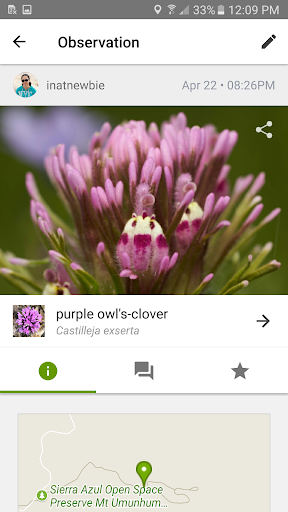
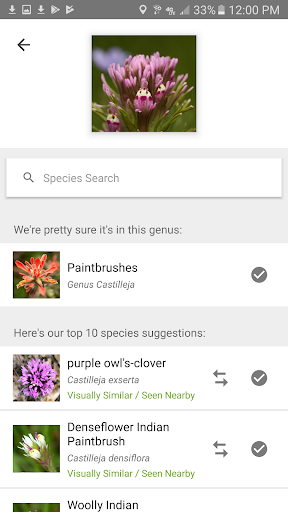
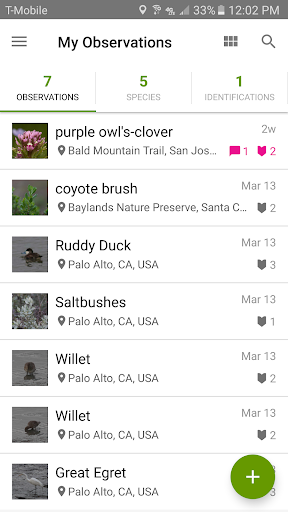
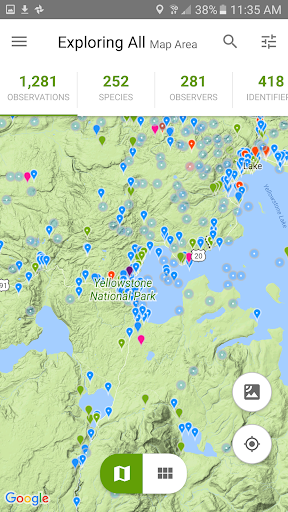
The core appeal of iNaturalist lies in its powerful features that foster exploration and learning. Users can discover species both near and far—uncovering unfamiliar flora and fauna with ease. The app allows you to document your own observations by snapping photos and geotagging locations, then sharing these with a vibrant community passionate about biodiversity. When you upload an image, iNaturalist employs advanced image recognition technology to suggest potential identifications, often providing detailed information about the species you've spotted.
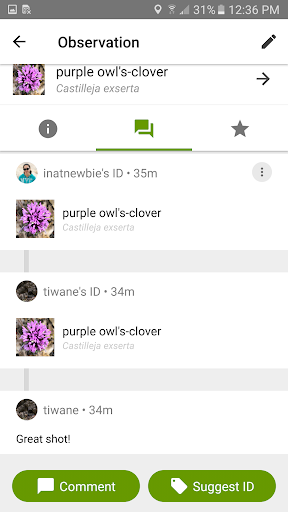
If the app's AI isn’t definitive, the combined expertise of the community kicks in. Fellow naturalists and scientists can help identify your observations, offering crowdsourced suggestions that improve over time. This collaborative approach makes iNaturalist not just a tool for identification, but a social platform for discussion, learning, and sharing knowledge about nature.
Another noteworthy feature is the ability to follow or create projects. These projects focus on specific topics, like urban wildlife monitoring or regional plant surveys, allowing citizen scientists to collaborate on meaningful initiatives. Through these projects, users can enhance their understanding of local biodiversity and contribute to scientific research on a broader scale.
Why Every Nature Lover Should Use iNaturalist
Have you ever wondered about the identity of an unfamiliar tree or heard a mysterious bird song and wished for a quick answer? iNaturalist turns those moments of curiosity into opportunities for discovery. Imagine having a digital naturalist in your pocket, ready to assist whenever you encounter something intriguing in the wild.
Developed as a joint initiative between the California Academy of Sciences and National Geographic Society, iNaturalist combines scientific credibility with user-friendly design. The app encourages users to contribute their sightings, effectively creating a dynamic, global database for biodiversity. This democratization of science allows everyday users to play a vital role in tracking and understanding the environment.
The experience of using iNaturalist is simple yet engaging. With a few taps—snap a photo, upload, and receive suggestions—anyone can start identifying species. When the AI doesn't provide a definitive ID, the community's collective intelligence steps in, helping you learn and connect with others passionate about nature. This collaborative process fosters a sense of community, making exploration both educational and fun.
Getting Started with iNaturalist
The app is accessible on both Android and iOS devices, and it is completely free, removing barriers to exploration and scientific contribution. Its interface is designed to be intuitive for users of all ages, encouraging both casual nature enthusiasts and aspiring scientists to participate actively.
By joining iNaturalist, you're not just identifying species but also engaging in a larger mission—helping to document biodiversity, raise awareness about conservation issues, and deepen your understanding of the natural world. Whether you're interested in monitoring local ecosystems, contribute to global species databases, or simply enjoy discovering new creatures, this app makes it all accessible.
Final Thoughts
In an era dominated by screens, iNaturalist provides a refreshing way to connect with nature, transform curiosity into knowledge, and contribute to scientific research. This app uniquely bridges technology and ecology, empowering users to learn from and contribute to the world's biodiversity data. If you have even a flicker of interest in the natural environment, give iNaturalist a try—you might uncover new passions and help protect our planet's wonderful diversity.
Pros
- Large community of nature enthusiasts
- Easy identification of plants and animals
- Interactive learning through observations
- Frequent updates with new features
- Offline access to previous observations
Cons
- Requires internet connection for new identifications
- Limited functionality in remote areas
- Potential for misidentification of some species
- High battery consumption
- Occasional reports of app crashes