

Discover the Power of PlantNet Plant Identification
Have you ever been on a hike or strolling through your city and wondered what that peculiar plant is? Thanks to the innovative PlantNet Plant Identification app, you can now identify plants effortlessly with just a quick photo. This app acts like a pocket-sized botanist, making plant identification accessible and fun for everyone, from nature lovers to casual explorers.
How Does PlantNet Work?
Simple and User-Friendly
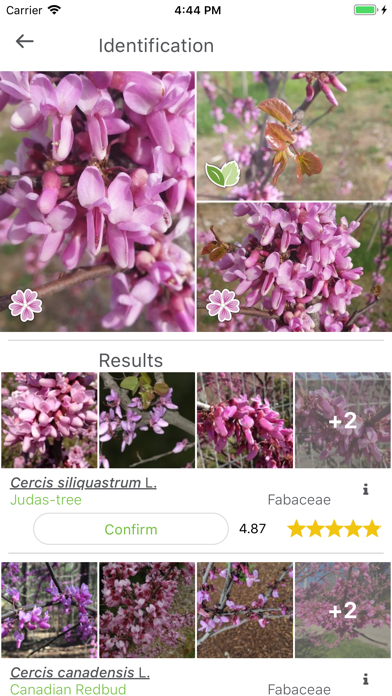
Using PlantNet Plant Identification is incredibly straightforward. Simply snap a photo of the plant you want to explore—whether it’s a leaf, flower, fruit, or bark. The app then analyzes the image using its extensive botanical database and provides you with potential matches. During my own experiments in the field, I found it to be impressively accurate most of the time, especially when capturing flowers, fruits, or distinctive leaves.
The Technology Behind the Magic
This app relies on a collaborative database powered by scientists and everyday users alike. Each time you identify a plant, your contribution helps improve the app’s accuracy and expand its plant database. The more observations users share, the smarter and more comprehensive PlantNet Plant Identification becomes. It’s not just an app—it’s a community effort to understand and preserve plant biodiversity.
Rich Features for Plant Enthusiasts
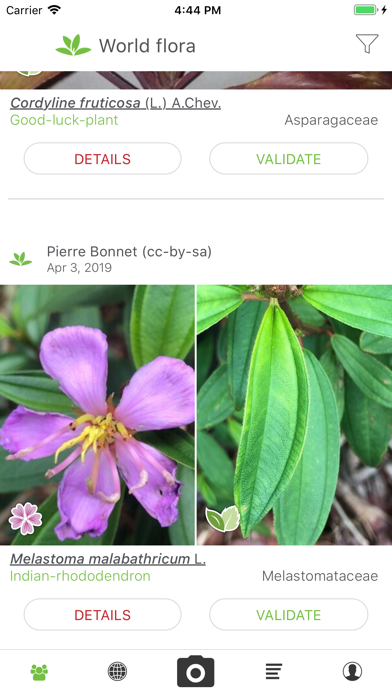
Every time you identify a plant, PlantNet provides detailed information about its characteristics, habitat, and potential uses, offering an educational experience. The app recognizes around 20,000 plant species, including flowering plants, trees, grasses, conifers, ferns, vines, wild salads, and cacti. It also distinguishes cultivated plants found in parks or garden settings, although its primary focus is on wild flora.
Recent updates released in January 2019 have introduced several exciting features, such as:
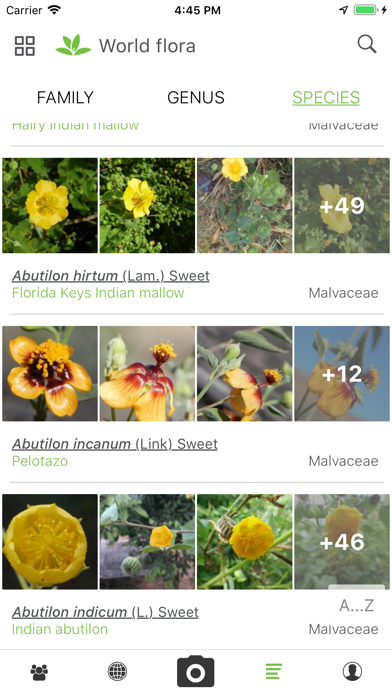
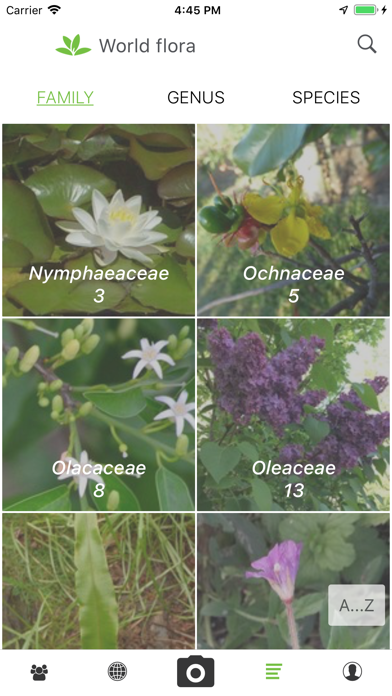
- Filtering recognized species by genus or family.
- Enhanced data validation, giving more weight to skilled users’ observations.
- Re-identification of shared observations across the community.
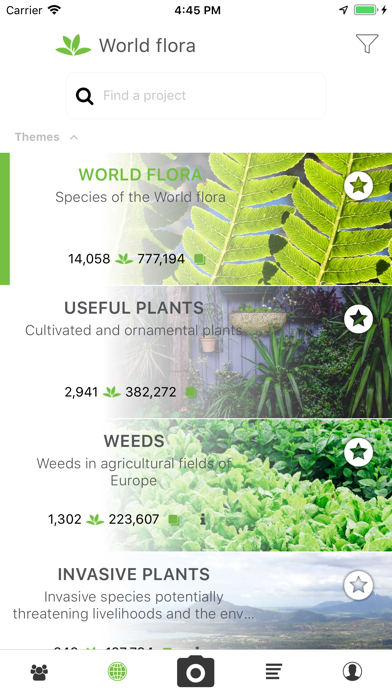
- Multi-flora search capability, enabling you to find a plant across multiple flora collections within the app.
- Favorite flora selection for quick access and navigation at different taxonomic levels.
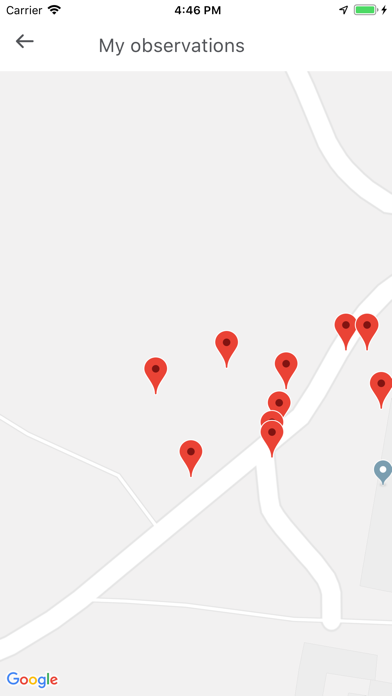
- Mapping your plant observations geographically.
- Links to detailed factsheets for in-depth learning.
The web version, available at https://identify.plantnet.org/, offers even more tools for plant identification and discovery.
The Benefits of Using PlantNet Plant Identification
This app is more than just a tool for plant identification; it’s an educational platform and a vital aid for citizen science initiatives. Its ideal use case is for observing wild plants—those growing naturally in forests, parks, sidewalks, or even your own garden. Accurate identification relies on capturing detailed images of flowers, fruits, leaves, or other distinctive plant parts, as many species look similar from a distance.
Beyond individual identifications, PlantNet contributes to global efforts to understand plant biodiversity and develop conservation strategies. Your observations, once validated, may even be added to the app’s growing photo gallery, helping other users learn and identify species more confidently.
Whether you're a casual nature observer or a professional botanist, this app is designed to enhance your understanding of the flora around you. It’s an engaging, educational, and environmentally conscious tool that bridges technology with nature exploration.
So, why not grab your phone and start exploring? With PlantNet Plant Identification, the plant world is just a picture away, turning your outdoor adventures into opportunities for learning and contribution to science.
Pros
- Accurate plant recognition
- User-friendly interface
- Extensive plant database
- Supports offline mode
- Free of charge and ad-free
Cons
- Needs high-quality images for best results
- Limited to plant identification functionalities
- Lacks social sharing options
- May occasionally misidentify plants
- Does not provide additional plant care information