

Introducing "Papers, Please": A Dystopian Document Thriller
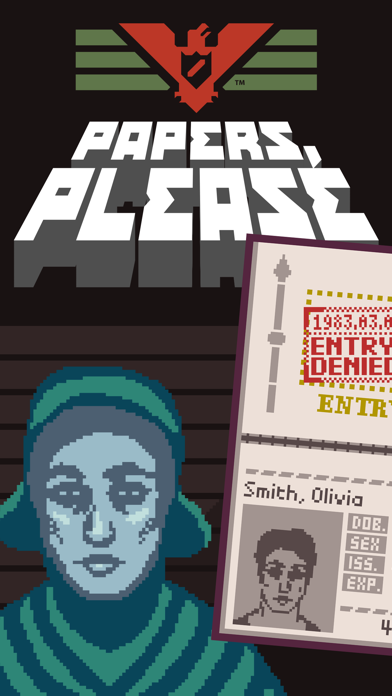
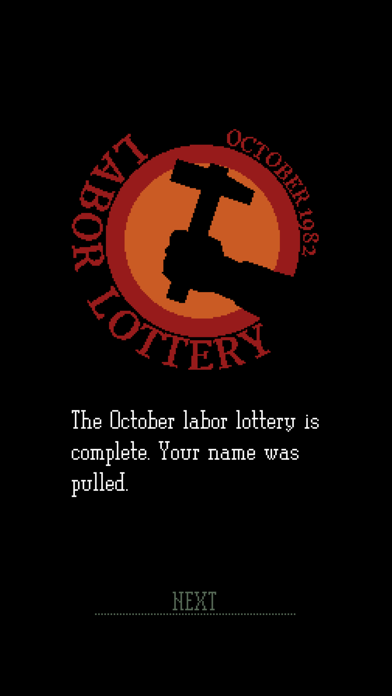
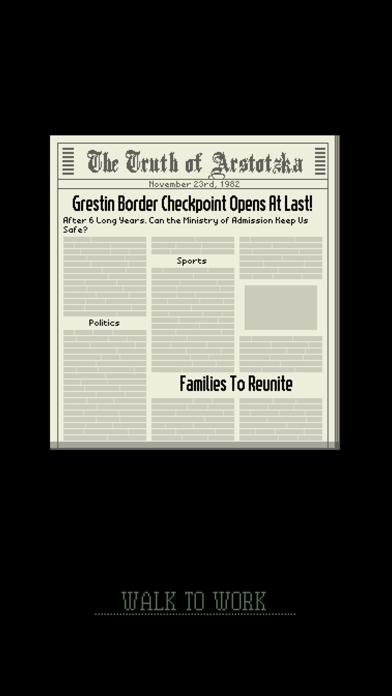
"Papers, Please" is an award-winning, critically-acclaimed border inspector game set in a bleak, dystopian world. As a border control simulation, it immerses players into a tense and morally complex environment. The game’s narrative takes place in the fictional country of Arstotzka, a communist state that has just ended a six-year war with its neighbor, Kolechia. The re-occupation of the border town Grestin marks a new chapter as your role as an immigration inspector begins, tasked with controlling who enters the country from Kolechia.
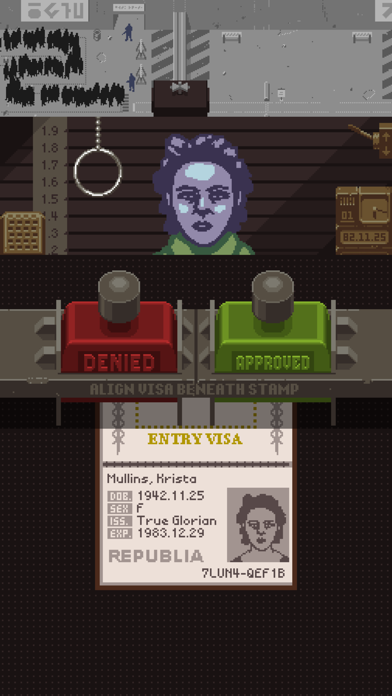
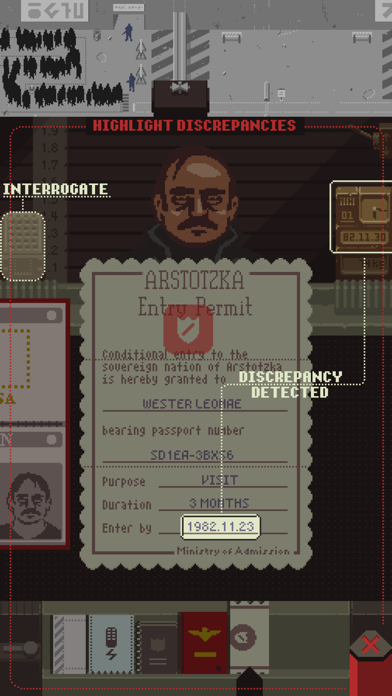
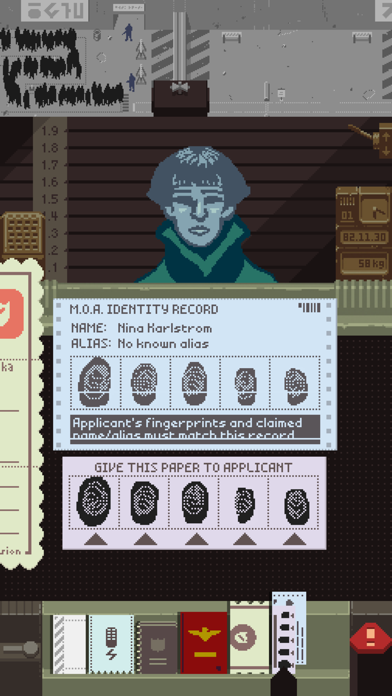
Set against a backdrop of political tension and social upheaval, the game challenges players to scrutinize the documents of various travelers, including immigrants, visitors, smugglers, spies, and terrorists, with only primitive tools like basic inspection systems, search protocols, and fingerprinting. This gameplay involves a mix of problem-solving, ethical decision-making, and attention to detail.
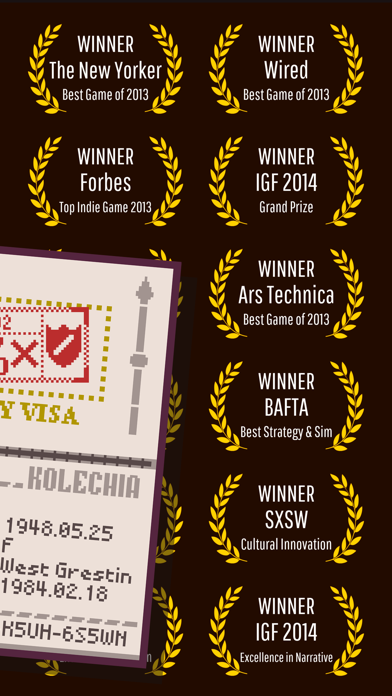
The game’s compelling narrative, combined with its immersive atmosphere and challenging mechanics, has garnered numerous awards, including Best Game of 2013 from The New Yorker and Wired Magazine. It has also won top honors at major festivals such as the BAFTA for Best Strategy & Simulation, the Independent Games Festival grand prize, and the IGF 2014 awards for Excellence in Design and Narrative. These accolades highlight its reputation as a standout title in indie gaming and strategy genres.
The Gameplay Experience of "Papers, Please"
Step into the Shoes of a Border Inspector
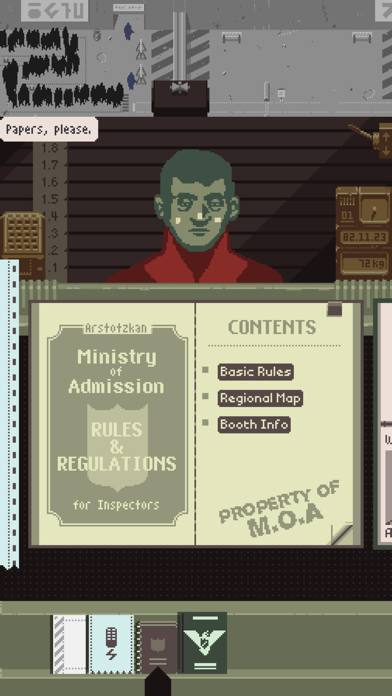
Imagine what it feels like to be an immigration officer at a border checkpoint. Developed by Lucas Pope, "Papers, Please" puts you in this role set in 1982 in Arstotzka, a fictional dystopian country. Your primary responsibility is to carefully examine documents such as passports, entry permits, and work passes, verifying their authenticity against a constantly evolving set of rules.
The challenge escalates as every day introduces new regulations, stricter requirements, and more complex paperwork. Speed and precision are crucial—processing travelers quickly helps you earn enough money to support your family, who depends on your income for survival. Your decisions are critical; accepting someone with faulty documents might compromise security, whereas denying entry to genuine travelers can lead to moral dilemmas and consequences such as fines or penalties.
The game's core mechanic revolves around balancing efficiency with accuracy, all while navigating increasingly intricate paperwork. Ethical choices play a significant role, and each decision can influence multiple story outcomes. This moral complexity adds depth and emotional weight, making "Papers, Please" much more than a simple simulation.
Graphics and Sound Design
Although the visuals are intentionally pixelated and retro-styled, this aesthetic perfectly suits the bleak, oppressive environment of Arstotzka. The minimal art style enhances the narrative, making players feel truly immersed in this dystopian world. Complementing the visuals, the sound design features a haunting main theme, with the clacking of stamps and rustling of papers creating a tense, authentic atmosphere. These simple audio elements significantly contribute to the game's immersive experience.
Reasons to Play "Papers, Please"
If you enjoy games that challenge your moral judgment, "Papers, Please" is an essential experience. It’s not just about managing paperwork—it’s about making consequential decisions that can alter lives and influence the fate of Grestin and beyond. The game's mechanics keep you engaged through daily challenges, rule changes, and the pressure to process travelers efficiently.
With multiple endings, each dependent on your choices, there’s substantial replay value. The game’s simple yet compelling gameplay mechanics make it accessible for newcomers, but its depth ensures long-term engagement for seasoned players. The blend of strategy, puzzle-solving, and narrative exploration creates a unique gaming experience that resonates on a moral and emotional level.
In summary, "Papers, Please" offers a compelling mix of strategy, ethical decision-making, and storytelling. It’s a game that remains memorable long after the last passport stamp, inviting players to reflect on morality, human nature, and the complexities of living under authoritarian regimes.
Pros
- Engaging gameplay with moral dilemmas
- Unique art style and retro graphics
- Immersive storyline with multiple endings
- Challenging puzzles requiring attention to detail
- Quick sessions suitable for mobile play
Cons
- Can become repetitive over time
- Limited replayability after viewing all endings
- Requires precise focus on small details
- Not ideal for players who prefer fast-paced action
- Some players might find the theme too dark