- Category Action & adventure
Survival and Strategy in a Post-Apocalyptic World
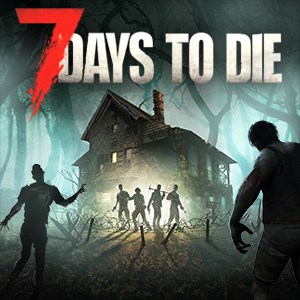
7 Days to Die for Windows offers an immersive survival shooter experience set in a gritty, zombie-infested universe, blending elements of crafting, exploration, and strategic defense. Developed by The Fun Pimps Entertainment LLC, this game stands out as an open-world sandbox where every decision echoes in your quest for survival amidst the chaos.
About the Game: Crafting Danger from Thin Air
7 Days to Die is a game preview that combines survival horror with sandbox gameplay, actively engaging players to scavenge resources, build fortifications, and fend off hordes of zombies. Its primary appeal lies in its depth — offering a complex crafting system, dynamic day-night cycles, and an expansive map filled with secrets waiting to be uncovered. Designed for survival enthusiasts and fans of action-adventure games, it caters to those who enjoy challenging environments with a touch of strategic planning.
Engaging the Player: A Journey Into the Unknown
Imagine waking up in a desolate, zombie-overrun world, with the sun casting long shadows over ruined buildings—this game instantly pulls you into a narrative of resilience and ingenuity. Whether you're gathering wood and stone to fortify your base or crafting makeshift weapons from scavenged parts, each moment beckons a sense of adventure and peril, making survival feel both rewarding and real.
Core Functionality 1: Deep Crafting and Building Mechanics
The game's crafting system is a standout feature, akin to piecing together a puzzle with every resource you collect. You can craft everything from simple tools to complex firearms, and construct elaborate bases for defense. This layered system encourages players to experiment, adapt, and optimize their strategies based on available resources. Unlike many action titles that focus solely on combat, 7 Days to Die emphasizes the importance of planning and infrastructure, allowing for personalized, resilient shelter designs. The game's building mechanics are surprisingly intuitive, yet robust enough to support intricate structures—making each fortress a reflection of your ingenuity.
Core Functionality 2: Dynamic Horde Events and Day-Night Cycles
The game's most distinctive feature is its intense horde mechanic. Every seven in-game days, a massive zombie attack tests your defenses and tactical planning—hence the title. Nighttime also introduces increased danger and more aggressive zombies, heightening the survival challenge. This cyclical threat system injects a thrilling rhythm into gameplay, pushing players to continually upgrade, gather supplies, and adapt tactics. This seamless integration of persistent threats makes each gameplay cycle tense and unpredictable, distinguishing it from other action-adventure games that lack such persistent, evolving hazards.
Interface, Performance, and User Experience
The interface strikes an impressive balance between simplicity and depth. The menus are logically organized, facilitating easy navigation through crafting menus, inventory, and maps. The game runs smoothly on a variety of hardware configurations, demonstrating solid optimization especially considering its detailed environment and physics. The learning curve is moderate—beginners may need some time to master the building and crafting systems, but the game provides tutorials and hints throughout. Once familiar, players will appreciate its responsiveness and intuitive controls, making the survival experience both immersive and manageable.
What Sets It Apart: Unique Strengths Among Action & Adventure Titles
While many survival games offer wilderness exploration or zombie combat, 7 Days to Die's standout feature is its fusion of crafting, building, and strategic defense within a persistent world. Its emphasis on base fortification and survival planning rather than just combat engagement creates a more profound sense of immersion. Moreover, the game's dynamic events—especially the scheduled hordes—introduce a tension that keeps each session distinct, pushing players to innovate their defenses continually. These aspects make it more than just another zombie sandbox; it becomes a stage for tactical creativity and resilience.
Final Verdict: A Thoughtful, Challenging Survival Sandbox
7 Days to Die is best suited for gamers who enjoy methodical planning, creative problem-solving, and intense survival moments. It's a game that rewards patience and ingenuity, offering a richly detailed environment where every resource counts. While it may initially seem daunting for newcomers, its well-structured interface and gradual learning curve make it accessible with some perseverance. For those looking for a survival experience that emphasizes strategy and customization over rapid-fire action, this game is recommended.
In conclusion, if you enjoy crafting your own story of survival and testing your defenses against relentless hordes, 7 Days to Die provides a compelling digital wilderness. Its unique focus on base-building, combined with scheduled zombie assaults, makes it a standout in the survival genre. Prepare to get your hands dirty—this world waits for the resilient!
Pros
- Immersive sandbox gameplay with extensive building options
- Engaging survival mechanics that challenge players to manage resources
- Regular updates adding new content and bug fixes
- Multiplayer support for cooperative gameplay
- Intuitive interface and controls suitable for both beginners and veterans
Cons
- Occasional performance drops on lower-end PCs
- Limited tutorial and onboarding process
- Inconsistent save system leading to occasional data loss
- Some bugs and glitches persist, such as AI pathfinding issues
- Limited official multiplayer server support