
- Category Strategy
- Available on PC, Surface Hub, HoloLens
- OS Windows 10 version 19041.0 or higher
- languages Arabic, Chinese (Simplified), Chinese (Traditional Chinese), English, French, German, Hindi, Indonesian, Italian, Japanese, Korean, Polish, Portuguese, Russian, Spanish, Thai, Turkish
An Epic Strategy Adventure on PC: March of Empires: War of Lords
March of Empires: War of Lords, developed by Gameloft SE, stands out as a captivating real-time strategy game where players build kingdoms, forge alliances, and clash in grand medieval warfare—all optimized for Windows to bring a commanding battlefield experience to your desktop.
Basic Information & Core Highlights
Positioning in the Strategy Realm
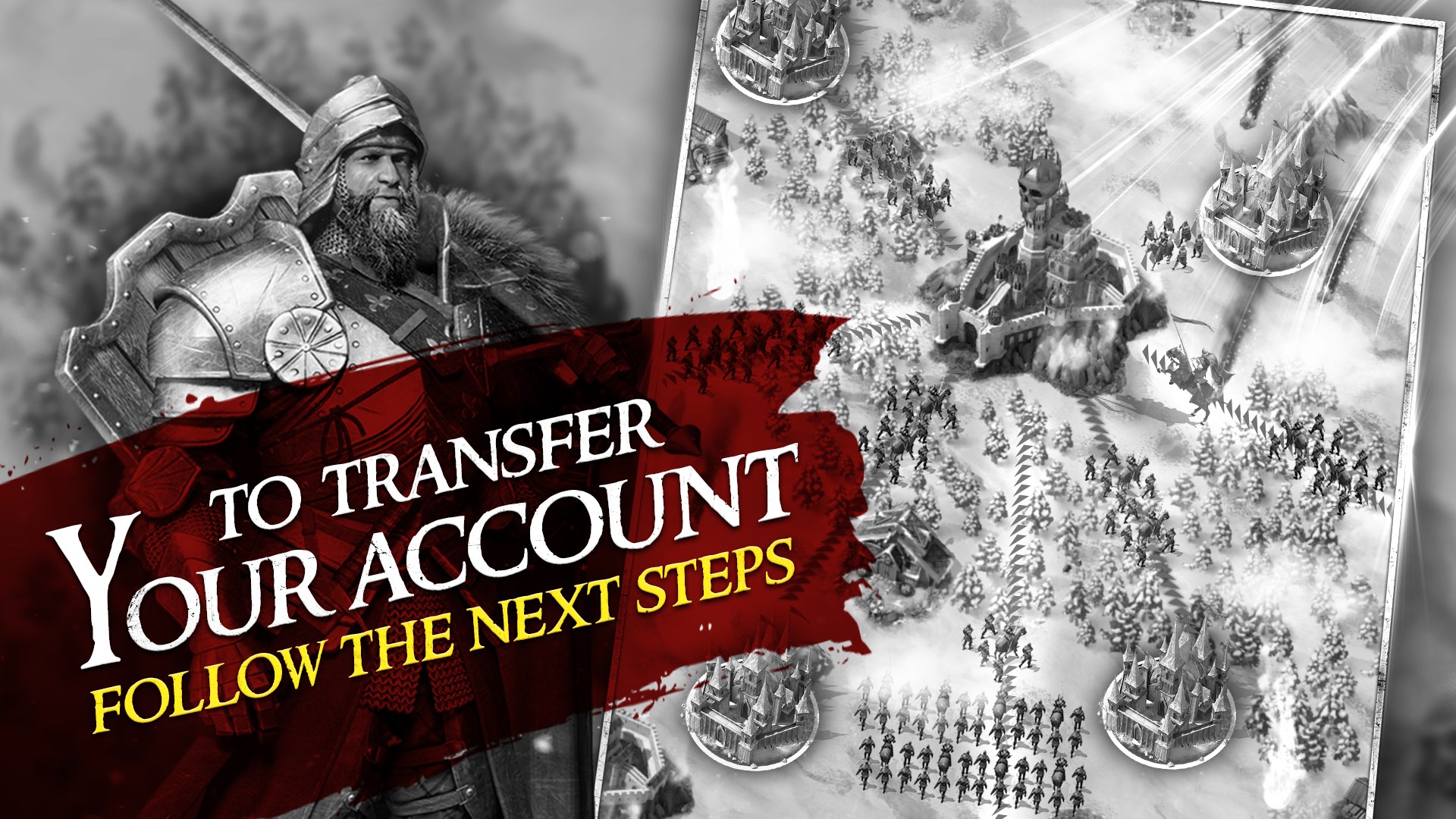
This game is a robust medieval-themed strategy saga that combines city-building, tactical combat, and alliance management, offering players a chance to lead their empire to dominance.
Developer Team
Gameloft SE, renowned for its high-quality mobile and cross-platform gaming titles, has crafted March of Empires as a significant addition to its portfolio, ensuring polished gameplay and engaging mechanics.
Key Features & Highlights
- Dynamic City Building: Craft and customize your kingdom with diverse structures, resource upgrades, and defensive setups to establish a resilient base.
- Massive Multiplayer Alliances: Team up with friends or rivals to form alliances, participate in large-scale wars, and dominate territory control.
- Strategic Combat System: Utilize tactical formations, timing, and skill to outsmart opponents in real-time battles, emphasizing the importance of decision-making.
- Event-Driven Content: Regular events and special challenges keep gameplay fresh and encourage active participation.
Target Audience
The game mainly attracts strategy enthusiasts, medieval history fans, and multiplayer gamers who enjoy competitive, cooperative, and long-term gameplay on their Windows PCs.
In-Depth Review: Building Your Kingdom and Commanding Battles
Imagine stepping into a medieval realm where every decision shapes your civilization's fate—March of Empires invites you into such a world. From the first click, you're drawn into a landscape of sprawling castles and strategic battlegrounds, where your choices wield tangible consequences. It's akin to playing a grand chess game set in a vivid, living world, and the game's engaging design makes each move feel meaningful and rewarding.
City Building & Resource Management: The Heart of Your Empire
The game's city development system offers a delightful combination of creativity and strategy. You start with a modest fortress but swiftly expand into a bustling city, where different structures enhance resource production, military strength, or defense capabilities. The interface is intuitive—drag-and-drop mechanics and clear icons make managing your economy feel seamless, much like tending to a well-organized village. The game manages information overload smartly; relevant stats and alerts are available but not intrusive, allowing you to focus on planning your next move without feeling overwhelmed.
Strategic Warfare & Alliance Dynamics: Conquer and Collaborate
The battlefield excites with its real-time combat system, demanding quick thinking and tactical finesse. Battles unfold with a cinematic flair, and players can set formations, deploy special abilities, and adapt strategies based on the enemy's movements. One of the app's distinctive perks is its show of decision consequences—each attack, defense, or diplomatic move impacts your standing, resource reserves, and future options. The game shines here in how it clearly displays the results of your decisions, helping players learn and adapt without frustration.
Beyond solo battles, forming alliances introduces a layer of social strategy. Coordinating attacks against rivals or defending joint territories fosters a sense of community and shared purpose, making gameplay more engaging than solitary conquest. The interface facilitates smooth communication and quick alliance management, contributing to an overall fluid user experience.
Evaluating User Experience & Unique Selling Points
The visual interface balances medieval aesthetics with clean, accessible controls—imagine a detailed map where every icon whispers secrets of war and prosperity. Transitioning between menus and gameplay feels fluid, thanks to optimized performance that minimizes lag even during large battles. New users won't face steep learning curves; onboarding is friendly, with in-game tutorials guiding core functions clearly.
What truly sets March of Empires apart from other strategy games is its deliberate approach to decision consequence visibility and information overload management. Unlike some titles where choices are buried in menus or outcomes are vague, this game emphasizes transparency—players see how their actions affect their alliances, resources, and territory. This clarity fosters strategic thinking and reduces confusion, making complex decisions feel approachable rather than intimidating.
Final Thoughts & Recommendations
Overall, March of Empires: War of Lords offers a well-rounded strategy experience that balances depth with accessibility. Its standout features—particularly the clear visualization of decision impacts and seamless management of information—make it suitable for both casual strategists and dedicated gamers. If you enjoy planning, resource management, and tactical battles in a medieval landscape, this title deserves a spot on your Windows gaming roster.
We recommend giving it a try if you're looking for a strategic game that emphasizes thoughtful decisions and community interactions. Keep in mind that the game's success relies on active engagement and alliance collaboration, so it's best suited for players who enjoy social play and long-term planning. Overall, it's a compelling virtual kingdom waiting to be conquered—so sharpen your sword and your strategy!
Pros
- Engaging multiplayer gameplay
- High-quality graphics and visual effects
- Strategic depth with various units and buildings
- Regular content updates and events
- Intuitive user interface
Cons
- Heavy resource consumption
- Pay-to-win elements
- Learning curve can be steep
- In-game chat moderation is limited
- Long matchmaking wait times during peak hours